
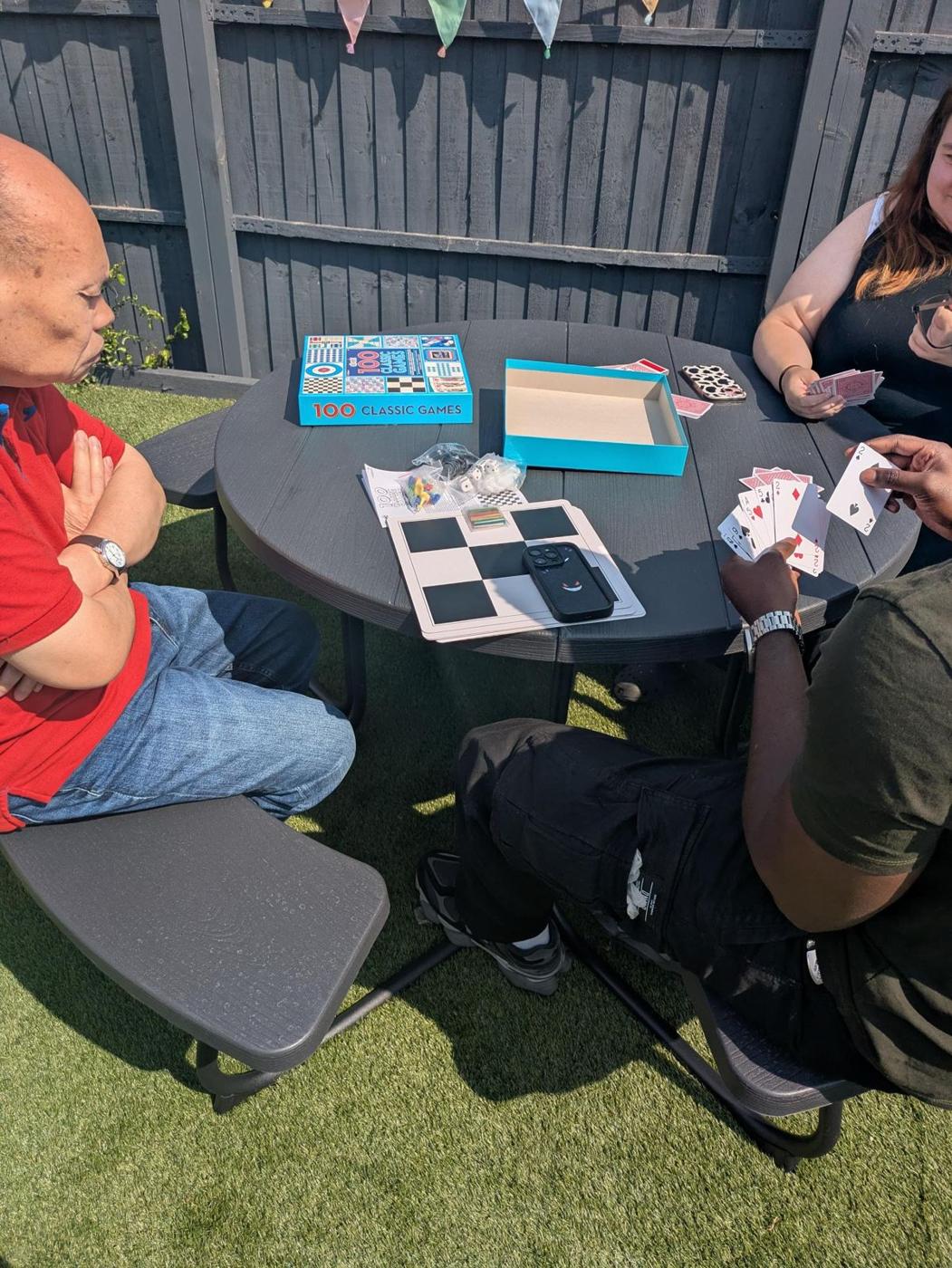
Social connection is a fundamental human need. For individuals facing mental health challenges or living with disabilities, social isolation can be a significant barrier to recovery and wellbeing. It creates a cycle where a lack of connection worsens health, and poor health makes it harder to connect. In the London Borough of Hounslow, supported living services are actively working to break this cycle, creating pathways from isolation to meaningful inclusion.
These services do more than provide a safe place to live; they are catalysts for social change. By focusing on person-centred support and proactive community integration, supported living is helping service users rediscover their place in the world, rebuild their social confidence, and become active members of their local community. This blog explores the profound social impact of supported living in Hounslow and how it transforms lives by fostering a true sense of belonging.
The Challenge of Social Isolation
Social isolation is not just about being alone; it is a lack of meaningful connection that can have devastating effects on a person's mental and physical health. For individuals requiring support, isolation can be caused by a range of factors:
Stigma: Fear of judgment from others can make individuals reluctant to engage in social activities.
Lack of Confidence: Past negative experiences or the symptoms of a mental health condition can erode self esteem, making social interaction feel daunting.
Practical Barriers: Difficulties with transport, managing finances, or simply not knowing where to start can prevent people from leaving their homes.
Loss of Social Networks: Extended periods in hospital or a lack of consistent support can lead to the breakdown of friendships and family connections.
Supported living services in Hounslow are specifically designed to address these root causes of isolation, providing a structured and compassionate framework for rebuilding a person's social world.
Person-Centred Support: The Foundation of Inclusion
The journey from isolation to inclusion begins with understanding the individual. This is the core principle of person-centred support, a philosophy that places the service user at the heart of their own support plan. Rather than applying a generic programme, support teams in Hounslow work collaboratively with each person to understand their unique interests, goals, and fears.
A person-centred approach to social inclusion involves:
Discovering Passions: The first step is often a simple conversation: "What do you enjoy? What have you always wanted to try?" By identifying a person's interests, be it gardening, music, art, or sport, the support team can find relevant local opportunities.
Building a 'Social' Roadmap: Goals are co created and broken down into small, manageable steps. For someone with severe social anxiety, the first step might be a short walk to a local Hounslow park with a support worker. The next could be visiting a café, eventually building up to joining a community group.
Developing Social Skills: Support workers provide practical coaching in a safe environment. This can include practising conversations, understanding social cues, or learning how to set boundaries in relationships. This skill building empowers individuals to navigate social situations with greater confidence.
This tailored approach ensures that the journey towards inclusion is paced correctly for the individual, building momentum through a series of small, consistent successes.
Building Bridges to the Community in Hounslow
Supported living services act as a vital bridge, connecting service users to the rich tapestry of community life in Hounslow. The borough's diversity, green spaces, and vibrant community hubs provide a wealth of opportunities for engagement.
Proactive Community Integration Initiatives
Effective supported living providers do not wait for service users to find their own way; they actively facilitate connections. This includes:
Partnerships with Local Groups: Providers build relationships with Hounslow’s community centres, sports clubs, libraries, and voluntary organisations. This makes it easier to introduce service users to welcoming and inclusive environments. A service user interested in local history could be connected with the Hounslow History Society, while another might find a home at a local gardening club.
Supporting Volunteering: Volunteering is a powerful tool for social inclusion. It provides structure, purpose, and a chance to contribute to the community. A support worker might help a service user find a role at a local charity shop or an animal shelter, providing support during the initial stages until the person feels comfortable.
Accessing Education and Employment: A key part of social inclusion is economic participation. Support teams work with Hounslow's Adult and Community Education services and local employers to help service users access courses or find paid work. This not only builds skills but also creates a natural network of peers and colleagues.
Utilising Community Assets: Support workers encourage and assist service users to use local amenities like the Hounslow Arts Centre, Lampton Park, or the Treaty Centre. These shared public spaces are ideal for reducing isolation and helping service users feel like part of the local fabric.
The Role of Quality Housing in Social Life
The design and location of supported living accommodation itself plays a crucial role in social inclusion. Modern services in Hounslow have moved away from isolated, institutional settings. Instead, properties are typically regular houses on ordinary residential streets.
This approach helps to:
Normalise Supported Living: By integrating housing into the community, it reduces stigma and helps service users be seen as neighbours first and foremost.
Encourage Informal Social Interaction: Living on a typical street creates opportunities for everyday social encounters, a chat with a neighbour over the fence, a greeting to the postman, that help build a sense of belonging.
Provide a Base for Socialising: A comfortable, well maintained home is a place where service users can feel proud to invite friends or family, giving them the chance to be a host and build relationships on their own terms.
The Ripple Effect: The Broader Social Impact
The benefits of moving from isolation to inclusion extend far beyond the individual. When supported living services succeed in fostering inclusion, the entire community benefits.
It Challenges Stigma: The more that people with mental health challenges or disabilities are seen participating in community life, working, shopping, socialising, the more it breaks down stereotypes and misconceptions.
It Creates More Compassionate Communities: Inclusive communities are stronger communities. The presence and participation of diverse individuals enrich the social fabric, promoting empathy and understanding.
It Reduces Strain on Acute Services: Social connection is a powerful protective factor for mental health. By reducing isolation, supported living services can help prevent crises that might otherwise lead to hospitalisation, thus reducing the burden on the NHS.
Final Thoughts
The journey from isolation to inclusion is at the very heart of the social impact of supported living in Hounslow. By combining a deep commitment to person-centred support with proactive community integration strategies, these services are empowering individuals to rebuild their social lives and reclaim their place in society.
This work transforms lives on a fundamental level, replacing loneliness with connection, and despair with a sense of purpose. It proves that with the right support, everyone can be an active, valued member of their community, contributing to a more inclusive and vibrant Hounslow for all.