Supported living for commissioners: what we run, how we work, and what the figures show.
Eighteen specialist mental health supported living homes across Hammersmith & Fulham, Hounslow, Hillingdon and Ealing, with our own psychology, nutrition and activities team included in the weekly rate. Median three days from referral to assessment. Funded by nine local authorities and the NHS.
Referrals and placementsMake a referral onlineOut of hours: 0208 016 0835Fees are agreed per placement with the funding authority.
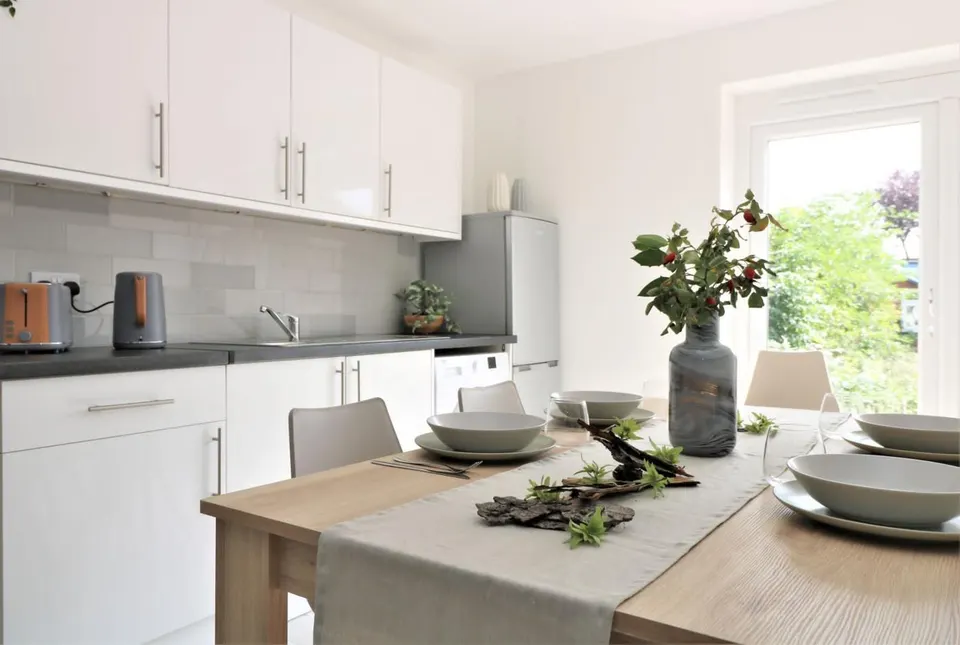
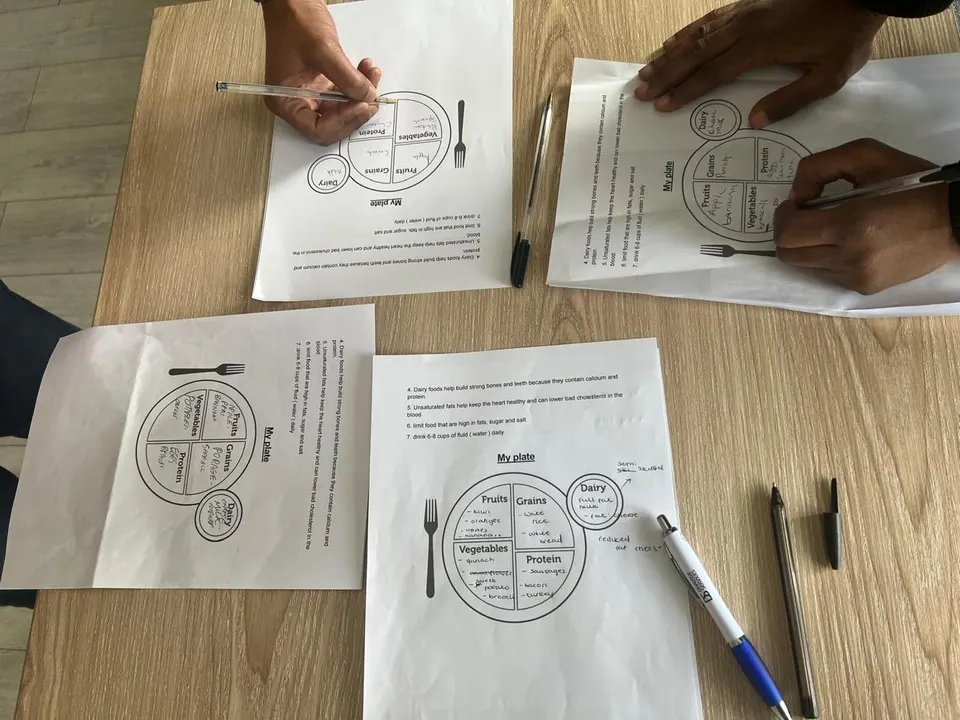
Inside our homesArt groupInside our homesCooking and nutritionInside our homesArt groupInside our homesBaking groupInside our homesGames night
◎
Specialist support: mental health supported living, including services for learning disabilities, autism and forensic support needs.
↗
Support towards independence: a pathway from 24-hour high support through medium and low support to move-on studio flats.
✓
What is in the rate: psychology, nutrition and activities, with no separate charges. Fees are agreed per placement with the funding authority.
✓NHS Data Security and Protection Toolkit: Standards Met (2025-26)
✓CQC registered: Foxglove (awaiting first inspection)
✓Disability Confident Committed Employer
✓Finalist, Housing with Care Awards 2026
✓Funded by 9 local authorities and the NHS
✓0 agency staff
Delayed discharge and supported housing: the published position.
In 2024/25, people waiting for supported housing accounted for 22% of all delayed discharge days in English mental health services: 121,695 additional bed days, at an estimated cost of £102 million. The report that found this (Royal College of Psychiatrists, Look Ahead and the National Housing Federation, April 2026) states that supported housing costs around a third of an inpatient bed and estimates a potential NHS saving of £53 to £65 million a year. The constraint the report identifies is supply of suitable supported housing, not demand.
Evidence from the Royal College of Psychiatrists, the National Housing Federation and Look Ahead links housing shortages to delayed hospital discharge. The figures below describe sector research, not savings achieved by Diverse Services.
£102m / year
NHS cost
Annual cost to NHS mental health services in England from the supported housing shortfall. RCPsych, Look Ahead and National Housing Federation (Breaking the Cycle), 2026 · Source
121,695 days
Bed days lost
Additional inpatient bed days in 2024/25 in England, driven by people in hospital waiting for supported housing. RCPsych, Look Ahead and National Housing Federation (Breaking the Cycle), 2026 · Source
22%
Of all delays
Of all delayed discharge days in mental health inpatient services in 2024/25 are housing driven. RCPsych, Look Ahead and National Housing Federation (Breaking the Cycle), 2026 · Source
1/3 cost
Of an inpatient bed
Supported housing costs around a third of an inpatient placement, with potential national savings of £53m to £65m a year. RCPsych, Look Ahead and National Housing Federation (Breaking the Cycle), 2026 · Source
£1.40 saved
Per £1 spent, in Wales
Housing Support Grant services deliver a net saving of £1.40 for every £1 invested in Wales, easing pressure on health, social support and criminal justice. Cardiff Metropolitan University and Alma Economics, reported by Senedd Research, 2025 · Source
4 step pathway
Step up & step down
Our own pathway complements the sector evidence: 24-hour high support → Medium support → Low support → Move-on. It is a service model, not a national savings figure.
Every figure carries its date. About this figure links to how we count it. The full set is on Facts and figures.
What a delayed discharge costs, and what our record shows.
An acute mental health bed has been costed at £361 a day (McDaid and Park, LSE PSSRU, for HACT Housing and Health). Supported housing has been estimated at around a third of that (RCPsych, Look Ahead and NHF, 2026). Whether that difference is realised depends on how quickly a person moves and whether the placement holds. Our dated figures on both: median three days from referral to assessment; 29 people moved in from hospital between October 2024 and September 2026; 64% of the people we support have been with us for more than a year; 20 of the 33 people who moved on in the past year went to other supported housing, their own tenancy, family or university. Psychology, nutrition and activities are included in the weekly rate and are not charged separately.
24-hour high support · Medium support · Low support · Move-on, then a home of your own. People step down between our own homes with the same team, rather than being re-referred to another provider. Hospital step-down is available across all our homes: people leaving a ward stay with us until their own home is ready or the right service is found.
The journey to independence.
Everyone we support is working towards something. We meet people where they are, often at a hard point in their lives, and walk with them, step by step, towards living independently.
→Where we meet you
Hospital or crisis
Coming out of an acute mental health ward, a secure setting, or a placement that broke down.
29 people moved in through the step-down route from hospitalOctober 2024 to September 2026 · How we measure this
1Stage 1 · High support
24 hour staffed home
Awake staff every shift, the full specialist team, and daily keyworker support. Most people we support start here.
64% have lived with us for more than a year1 October 2026 · How we measure this
2Stage 2 · Medium support
Daytime support, 9 to 5
A step down when overnight cover is no longer needed. Same team, same keyworker.
Living independently with the confidence and skills to stay there. For many, this also means work. This is the point of everything we do.
Of the 33 people who moved on in the past year, 20 went to other supported housing, their own tenancy, family or university.October 2025 to September 2026 · How we measure this
Step up and step down within the journey, whenever appropriate. The same Diverse Services team stays with the person the whole way, including into our own studio flats and beyond.
Read more
Our support works like a ladder with four steps. You can place someone at the level that's right for them now, and they can move up or down without losing their keyworker, their community or the progress they've made.
High Support
24 hour awake staff every shift, 24/7 on call manager, full multidisciplinary input, structured therapeutic programme. For adults with serious mental illness, dual diagnosis, complex behaviours, or post discharge stabilisation needs.
Medium Support
09:00–17:00 daytime support. A step-down placement for service users moving on from high support, where structured weekday support remains essential but overnight cover is no longer appropriate.
Low Support
Light touch daytime support for service users with established stability, working toward tenancy. Focused on independent living skills, welfare and benefits, and employment routes.
Specialist services.
Our first home, Maple House in Hammersmith & Fulham, opened in 2022 with five beds. We now run five specialist lines alongside our mixed and men's high-support homes: women-only services, men's services for substance misuse and behaviour that challenges, a service for adults aged 18 to 25 with a learning disability or autism, a forensic service, and independent-living flats and studios with support. Capacity has grown from 5 beds in 2022 to up to 114 in 2026.
Women with mental health needs who need a women-only setting with staff awake around the clock.
Read more
Foxglove
An all female service supporting women to become independent through bespoke support packages catered to each service user. Keyworker plus weekly keyworking sessions toward agreed goals. Daily ADL support including community access, cooking, and cleaning. Weekly therapeutic activities (dance, baking, music, and art). Our only CQC-registered service.
Wulfstan
An 11 bedroom all female 24-hour high-support home. Keyworker and weekly keyworking sessions toward agreed goals. Daily ADL support including community, cooking, and cleaning. Weekly therapeutic activities (dance, music, art) plus two cooking and baking group sessions each week.
Daya House
An all female service supporting women to become independent through bespoke support packages. Keyworker plus weekly sessions toward agreed goals. Daily ADL support. Weekly therapeutic activities including dance, music, and art, with two cooking and baking group sessions each week.
St Martins
An all female service supporting women to become independent through bespoke support packages. Keyworker plus weekly keyworking sessions toward agreed goals. Daily ADL support including community access, cooking, and cleaning. Weekly therapeutic activities (dance, music, art) and two cooking and baking group sessions each week.
Oak Tree House
An all female service supporting women to become independent through bespoke support packages catered to each service user. Keyworker plus weekly keyworking sessions toward agreed goals. Daily ADL support including community access, cooking, and cleaning. Weekly therapeutic activities (dance, music, baking, and art).
Men's services: substance misuse and behaviour that challenges
Minimum six-month housing and support tenancy; a therapeutic approach set per home, aimed at preventing homelessness or relapse.
Read more
Cedar Ridge
An all male service for men with substance misuse and behaviour that challenges. Minimum 6 month housing and support tenancy. A relaxed therapeutic approach designed to keep service users in the community and prevent homelessness or relapse.
Maple House
An all male service for men with substance misuse and behaviour that challenges. Minimum 6 month housing and support tenancy. A more assertive therapeutic approach to keep service users in the community and prevent homelessness or relapse.
Willow House
An all male service for men with substance misuse and behaviour that challenges. Minimum 6 month housing and support tenancy with an assertive therapeutic approach designed to keep service users in the community and prevent homelessness or relapse.
Glenwood Villas
An all male service for men with substance misuse and behaviour that challenges. Minimum 6 month housing and support tenancy with an assertive therapeutic approach designed to keep service users in the community and prevent homelessness or relapse.
Oak Grove
An all male service for men with substance misuse and behaviour that challenges. Minimum six month support and housing tenancy with a relaxed therapeutic approach designed to keep the people we support in the community and prevent homelessness or relapse.
Young adults aged 18 to 25 with mental health needs and a learning disability or autism.
Read more
Greatfields
Supported living for young adults (18–25) with mental health needs and a learning disability or autism. 24-hour support in a five-bedroom home with expansive communal spaces including double kitchens and a garden.
Low or medium support in a flat or studio of the person's own, with the team close by and a planned move to a home of their own.
Read more
The Old Oak House
A mixed service focused on service users who are one stage away from being independent. A step-down option within the cluster for those with established stability working toward tenancy.
Rosewood House
A step-down option within the cluster: one fully self contained flat plus four studios with built in kitchens, designed for the people we support ready to step out of supported living and into independent tenancy. Mixed service for those one stage away from being independent.
Hounslow House
Ten self-contained studio flats for men and women getting ready for their own tenancy, with our team close by. Hounslow House is the move-on stage of our pathway, so people can progress without having to leave Diverse Services.
Aspen House, Birchwood House and Dawn House complete the eighteen. All homes are on residential streets.
Our forensic service: five en-suite rooms, staff on site 24 hours a day. Opened July 2026.
All female · Hounslow
A 5-bedroom all-female service in development.
Psychology, nutrition and activities are included in the support package, alongside our employed support staff. Fees are agreed per placement with the funding authority.
Support staff
A keyworker and weekly keyworking sessions support agreed goals. Familiar staff build relationships with the people we support.
Psychology
Our Psychology Lead and four Assistant Psychologists provide formulation, group sessions, one-to-one work and support for the wider team.
Nutrition
Our Nutritionist supports dietary planning, nutrition education and weekly group cooking.
Activities
Our Activities Coordinator provides therapeutic groups, outings and life skills sessions, including groups led by the people we support.
Most placements with us are spot purchases through the referral form. Three further arrangements are available to local authorities and ICBs, each under one contract with one named lead and one report.
Read more
Ward-to-home step-down partnership
For
an NHS trust, ICB or hospital discharge team with people who are clinically ready to leave and have nowhere suitable to go.
What we do
a standing route from a named ward or team into our homes: referral, assessment (median three days), a planned move, then step-down within our own pathway with the same team. Hospital step-down is available across all our homes: the person stays with us until their own home is ready or the right service is found.
What you get
a named lead, agreed response times, a monthly report on referrals, moves and outcomes for your people, and attendance at every review. Twenty-nine people have come to us by this route since October 2024.
A service built to your specification
For
a council or ICB with a cohort it is placing out of borough or out of area.
What we do
we open a home to your brief: cohort, gender, support level, borough, number of places, and whether it is registered or housing-related support. We find and fit out the property, recruit and train the team, and set up records and reporting, to an agreed timeline. Our existing lines show the range this covers: women-only, forensic, 18 to 25, and move-on studios.
What you get
a service specified for your cohort, first call on the places, and an agreed opening timeline. Capacity has grown from 5 beds in 2022 to up to 114 in 2026.
Joint LA and ICB funded placements
For
people whose needs sit across health and social support: forensic histories, dual diagnosis, learning disability or autism with mental health needs, step-down from a secure or acute setting.
What we do
one placement, one support plan, one risk management plan and one rate, with the support fee split between the council and the ICB as agreed between them. Psychology, nutrition and activities are included in the rate.
What you get
one contract, one named lead, one monthly report shared with both funders, and reviews that both attend.
Support with daily routines, cooking, life skills and personal goals helps people work towards greater independence. Support can change as their needs change.
We follow your local authority's usual processes in full, including placement reviews and needs assessments. On top of that, we keep you informed all the time, not just at review dates.
Read more
We tell you straight away about anything important, good or bad
We join placement reviews and needs assessments, and come prepared
We share progress as it happens, so there are no surprises
We talk to you early if someone is ready for less support
Our median time from referral to assessment is 3 days
One weekly rate with our specialist team included
Service-level reports on placement stability, move-on and readmissions
A straight answer if a placement isn't right
A founder-led team: our Managing Director talks to commissioners personally
Clear decisions, agreed support and shared reviews keep everyone involved in the placement.
Responsive to referrals
Our Business Development team handles initial enquiries directly. Assessment decisions include clear reasoning. See the dated assessment figures above.
Honest about fit
We say when we are not the right service. Matching the person's needs to suitable support comes before accepting a placement.
Short and long term placements
We offer short- and long-term placements and review support packages quarterly. Fees are agreed per placement with the funding authority.
Flexible support packages
Support can step up or down as the person progresses, retaining the same keyworker and property where possible. The aim is continuity and support matched to need.
Specialist support included
In-house psychology, nutrition and activities are included in the support package. Fees are agreed per placement with the funding authority.
Placement reviews
We track placement stability, move-on and readmissions, and share reports with placing authorities. Anonymised case examples can support placement discussions.
Collaboration with statutory services
We work with Community Mental Health Teams, NHS Trusts, ICBs and support co-ordinators, attend multidisciplinary reviews and share digital records with consent.
Community connections
We work with neighbours, GPs, local police, faith groups and community organisations to support local connections.
Practical partnership
We work alongside social workers and support co-ordinators, taking responsibility for issues that fall within our support.
Secure digital support plans, daily logs, incident reports and medication records provide a clear record for reviews and commissioner reporting.
What this means for the commissioner
Scheduled progress reports, quarterly by default, monthly on request
Real time incident reporting within agreed timeframes
Outcome measures, stability, social connectedness, life skills, pathway progress
Auditable record, full digital audit trail for inspections, reviews, and case audits
Plans that move with them.
Each person's support plan is written with them and reviewed monthly with their keyworker. Their goals, progress and own words stay in the record as they move along the pathway.
Co producedBuilt with the person, not for them
Strengths based formulationFocused on abilities, interests, aspirations, not just diagnoses
Goal tracked progressEach goal time bound, measured, and reviewed
The person’s voice preservedDirect quotes, preferences, and consent decisions on record
How a referral works
Refer online. Send us the referral through our online form, with any reports you have. It only takes a few minutes.
We assess quickly. Our median time from referral to assessment is 3 days. We meet the person, read the reports and talk to the team who know them.
A straight answer. We tell you honestly whether one of our homes is right. If it isn't, we say so, so no time is lost.
Visit and plan the move. The person can visit, meet staff and see their room. Together we plan a move that feels steady, not rushed.
Moving in, and moving forward. From the first day, their keyworker and our specialist team build a support plan around their goals.
Questions commissioners ask
Do you take referrals direct from hospital wards?
Yes. We take step-down referrals from hospital wards as well as community referrals from local authorities across London.
What's included in your weekly rate?
Day-to-day support and keyworking, plus our in-house psychology, nutrition and activities team. There are no bolt-on charges.
How quickly can you assess?
Our median time from referral to assessment over the past two years has been 3 days, and 82% of people were assessed within a week.
Can people step down without leaving Diverse Services?
Yes. People can move from 24-hour support to lower support and on to our move-on studio flats.
Do you report on outcomes?
Yes. We share service-level reports with placing authorities, and we publish estate-level figures on our Facts & figures page every quarter.
What are your rates?
Rates are on request, and we reply within one working day.
Who places with us.
Homes in four West London boroughs; placements funded by nine local authorities and the NHS.
Read more
We currently support people placed by Ealing, Hammersmith & Fulham, Hillingdon, Hounslow, Kensington & Chelsea, Westminster, Barnet, Croydon and Redbridge councils, and NHS North West London ICB.
For a placement, use the referral form. For a service, a partnership or a rate, use the form below and we will reply within one working day. The Managing Director takes part in every commissioning discussion.
We have pledged to make our recruitment process inclusive and accessible, to interview disabled candidates who meet minimum job criteria, to anticipate and provide reasonable adjustments, and to support staff who acquire a disability or long term health condition to remain in work.
“If we look after our staff, they will look after the people we support. Treat staff well, keep morale high, and people want to come to work. The day our team has shapes the day everyone we support has.”