
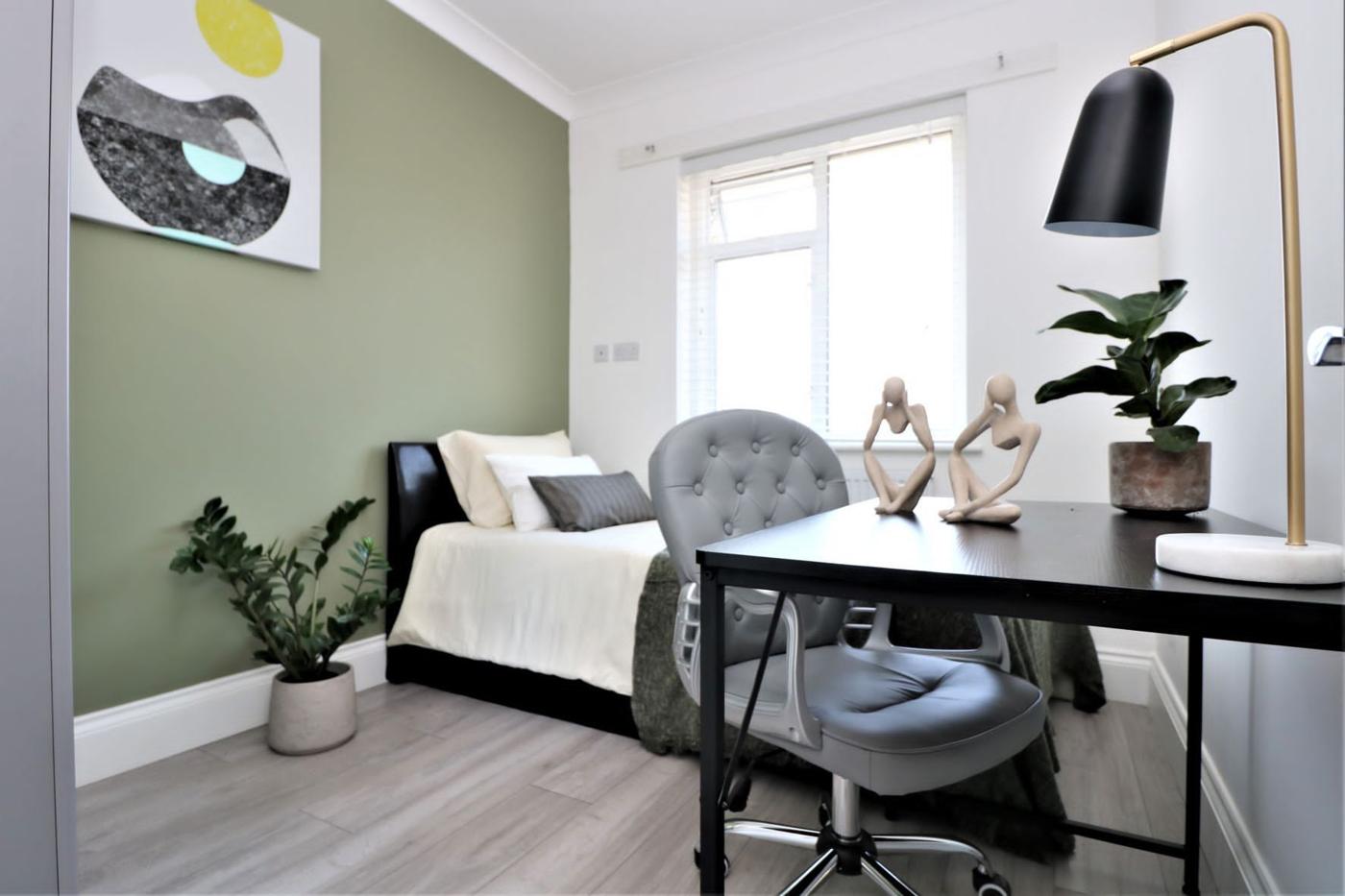
Supported living has long been a cornerstone of compassionate support, providing individuals with the support they need to live more independent lives. However, the sector is not standing still. Across West London, a new wave of innovation is reshaping what it means to provide high quality supported living. Forward thinking providers are embracing new technologies, pioneering support methods, and rethinking housing design to create services that are more personalised, effective, and empowering.
The future of supported living is not just about day-to-day help; it is about creating dynamic ecosystems that promote wellbeing, foster independence, and facilitate genuine community integration. This blog will explore the exciting innovations in support and housing that are defining the next generation of supported living in West London, and how they are improving outcomes for individuals with mental health challenges, autism, and other support needs.
Smarter Support: The Rise of Technology in Supported Living
Technology is one of the most significant drivers of change in the supported living sector. Far from replacing human connection, technology is being used to enhance it, enabling more responsive, efficient, and personalised support.
Digital Support Plans and Real Time Monitoring
Gone are the days of static, paper based support plans. The future is digital. Innovative providers are using secure, cloud based platforms to create dynamic, person-centred support plans. These digital plans can be updated in real time by support staff, service users, and even family members (with permission), ensuring everyone is aligned.
This technology allows for:
Greater Collaboration: Keyworkers, managers, and healthcare professionals can access up to date information, leading to more coordinated support.
Data Driven Insights: By tracking progress towards goals and noting challenges, providers can identify patterns and adjust support strategies more effectively. This data can highlight what is working and what is not, leading to better outcomes.
Increased Empowerment: Service users can have access to their own plans, giving them more ownership over their recovery journey and goals.
Assistive Technology and Smart Home Features
Smart home technology is no longer a luxury; it is becoming an essential tool for promoting independence. In West London, supported living properties are increasingly being equipped with assistive tech, including:
Voice Activated Assistants: Devices like Amazon Echo or Google Home can help service users control lighting, heating, and entertainment, as well as set reminders for medication or appointments. This is particularly empowering for individuals with physical disabilities or executive functioning challenges.
Sensor Technology: Discreet sensors can monitor movement and activity, providing a safety net without being intrusive. For example, a sensor could alert a support worker if a service users has not left their bed by a certain time or if a fall is detected.
Telecare and Virtual Support: High speed internet allows for virtual check ins and telehealth appointments, giving service users easy access to medical professionals and therapists from the comfort of their home.
Innovations in Housing Design: Building for Wellbeing
The physical environment has a profound impact on mental and emotional wellbeing. The future of supported living housing is moving away from generic, one size fits all buildings towards spaces that are thoughtfully designed to meet the specific needs of service users.
Person Centred and Adaptable Environments
Innovative housing design is flexible. This means creating spaces that can be adapted to individual needs. For example:
Autism Friendly Design: As explored in our previous post, this involves using muted colour palettes, controlling acoustics, and providing sensory rooms to create low arousal environments.
Trauma Informed Design: For individuals who have experienced trauma, design principles focus on creating a sense of safety, control, and privacy. This might include clear sightlines, secure personal spaces, and access to calming natural environments.
Dementia Friendly Design: This includes features like colour coded hallways for easier navigation, circular layouts to prevent dead ends, and memory boxes outside rooms to help with recognition.
Sustainability and Eco Activities
There is a growing recognition of the link between environmental and personal health. Future focused providers are incorporating sustainable features into their properties, such as energy efficient appliances, solar panels, and better insulation. This not only reduces the carbon footprint but also lowers utility bills for service users.
Furthermore, the concept of eco therapy is gaining traction. This involves integrating nature into the living environment. New supported living developments in West London are prioritising:
Access to Green Space: Whether it is a communal garden, a balcony with planters, or proximity to one of West London’s many parks, connecting with nature is seen as vital for mental health.
Community Gardens: Some services are creating on site gardens where service users can grow their own vegetables and flowers. This activity fosters new skills, promotes physical activity, and builds a sense of community.
A Holistic Approach to Support and Wellbeing
Perhaps the most important innovation is a philosophical one: a shift towards a truly holistic model of support. This approach recognises that a person's wellbeing is influenced by a wide range of factors, including their physical health, mental state, social connections, and sense of purpose.
Integrating Physical and Mental Health
Leading providers are breaking down the silos between physical and mental healthcare. This means:
Nutritional Support: Recognising the powerful link between diet and mood, support teams are helping service users learn about healthy eating and develop cooking skills. Some service users are even consulting with nutritionists to support mental health recovery.
Diverse Services has an Nutritionist that both service users and staff are able to use to guide and educate them about healthy eating and work with them to develop their cooking skills.
Promoting Physical Activity: Support is not just about managing appointments; it is about encouraging an active lifestyle. This could involve anything from joining a local gym, starting a walking group, or trying out yoga classes.
Focus on Skill Building for Economic Independence
The future of supported living sees employment and education not as an afterthought, but as a core part of the recovery process. Innovative support includes:
Vocational Training: Partnering with local colleges and training providers to help service users gain new qualifications.
Employment Support: Offering dedicated support to find and maintain employment, including CV writing, interview practice, and on the job coaching.
Social Enterprise: Some forward thinking organisations are creating their own social enterprises, providing safe and supportive work environments for service users.
The Future is Collaborative
Finally, the future of supported living is collaborative. No single organisation can meet every need. The most innovative providers in West London are building strong networks and working in close partnership with:
Local Authorities and NHS Trusts: To ensure support is integrated and pathways are seamless.
Community Groups and Charities: To connect service users with social activities, volunteering opportunities, and specialist support.
Employers and Educators: To create genuine opportunities for economic and personal growth.
Final Thoughts
The future of supported living in West London is bright. Driven by technology, thoughtful design, and a deep commitment to holistic, person-centred support, the sector is evolving to meet the complex needs of the individuals it serves. These innovations are creating more than just housing; they are building empowered communities where people can heal, grow, and thrive.
For commissioners, families, and individuals seeking support, it is an exciting time. By embracing these new approaches, supported living is not only improving lives today but is also laying the groundwork for a more inclusive, compassionate, and effective system of support for generations to come.