
At Diverse Services, we believe that every person brings with them a unique set of strengths, talents, and aspirations. That’s why we adopt a strengths based approach when planning support with our service users, an approach grounded in empowerment, collaboration, and what truly matters to each individual.
Rather than beginning with problems or limitations, a strengths based approach looks first at people’s abilities, interests, and existing networks. This aligns with best practice guidance from the Social Care Institute for Excellence (SCIE), NHS England, and the Care Act 2014, which all highlight the importance of promoting independence, resilience, and wellbeing. By focusing on what people can do, and what they want to do, we create support plans that are genuinely person-centred and more meaningful to the individuals we work alongside.
What Does a Strengths Based Approach Look Like in Practice?
A strengths based plan looks and feels very different from a traditional, needs led plan.
For example, instead of recording that a person “cannot manage their own shopping,” we would look for the existing strengths within that task. A person may be motivated to cook their own meals and already able to prepare a few dishes. Building on that, support might focus on weekly meal planning, budgeting, and gradually increasing confidence with supermarket visits. The plan becomes about growth, capability, and achieving a personal goal, not a list of deficits.
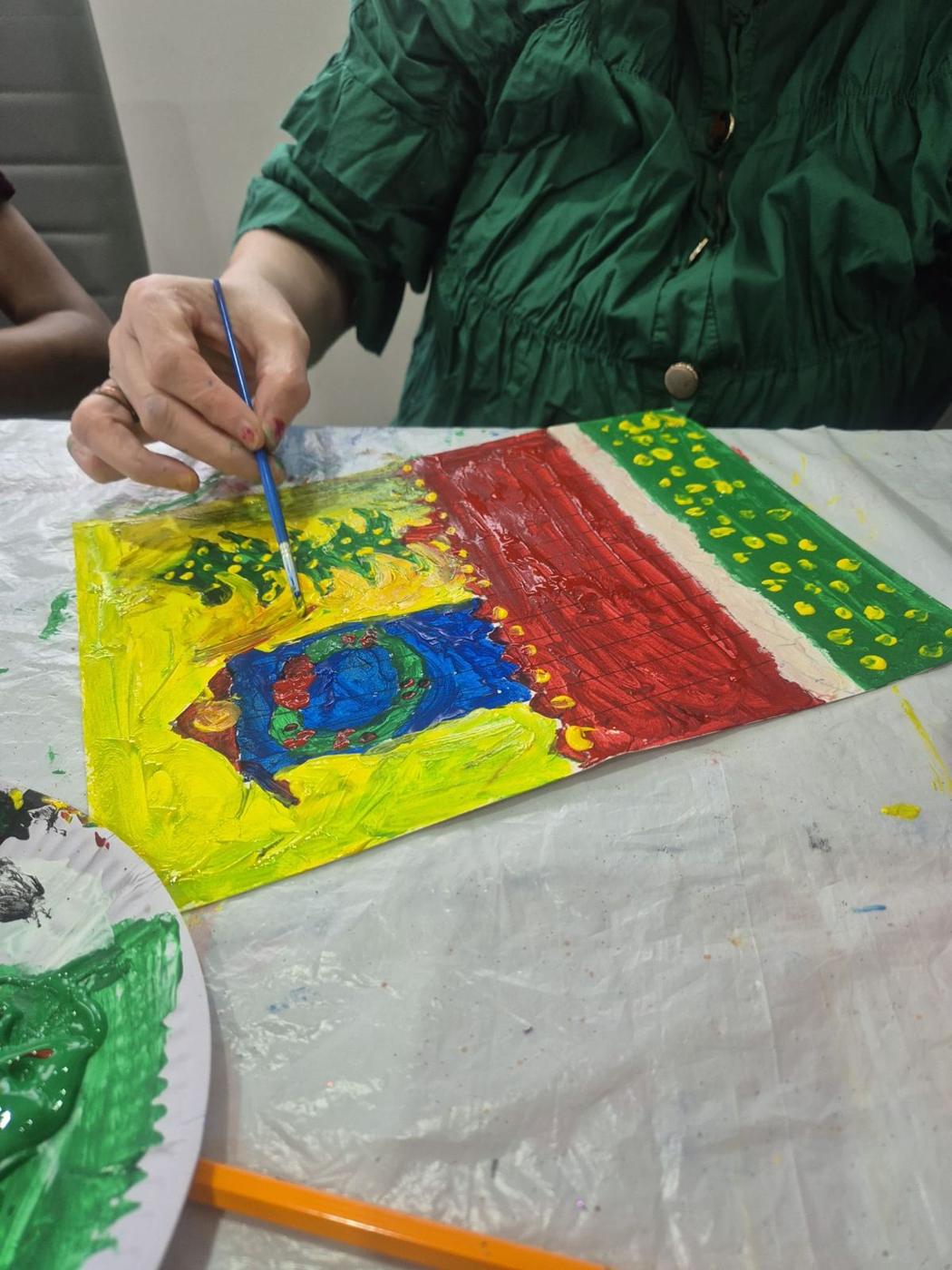
Similarly, if someone is experiencing social isolation but has a passion for art, the focus would be on enabling them to connect with local creative groups. We might initially provide support to attend sessions before gradually stepping back as confidence and social networks grow.
Strengths Based Practice in Mental Health Supported Living
This approach is especially powerful in mental health supported living environments.
A person living with psychosis, for example, may experience challenges with day to day decisions, but may also have excellent digital or technical skills. A strengths based plan would recognise these skills and celebrate them. That individual might even take on a role in the home, such as supporting other people in the home with digital skills or technology. This not only builds self esteem and a sense of purpose, but also strengthens the household community.
This philosophy is the foundation of our Diverse Empowerment Project, which creates opportunities for service users to take on facilitation roles, share their knowledge, and support one another. It demonstrates how strengths based practice is not just a planning tool, it’s a culture of empowerment across our services.
The Diverse Empowerment Project
The Diverse Empowerment Project is a key example of how we put strengths based practice into action across our services. Built on the belief that everyone has skills, creativity, and insight to share, the project offers opportunities for Service Users to take the lead in meaningful, peer driven activities. These sessions, ranging from skill building groups like cooking or gardening, to recreational activities such as Movie Nights, and even vocational workshops like CV writing, are fully designed and facilitated by Service Users, with staff offering support only when needed. Weekly Movie Nights in our Ealing and Hillingdon services have become a much loved routine, with Service Users choosing the films, leading group discussions, and creating a warm, social space for connection. In Hammersmith and Fulham, the Gardening Club continues to flourish, with participants planting herbs, flowers, and even experimenting with potatoes, proudly harvesting and brewing their own herbal teas. Whether it’s building confidence, nurturing wellbeing, or strengthening community, the Diverse Empowerment Project demonstrates how recognising people’s strengths can create uplifting, inclusive environments where everyone has the chance to contribute and thrive.
Why This Approach Matters
The evidence is clear: when people feel valued for who they are and what they can do, they are more motivated, more engaged, and more likely to achieve positive outcomes.
NHS England links strengths based approaches to better health outcomes and stronger engagement.
SCIE highlights how focusing on strengths helps to build resilience, connection, and inclusion within the community.
By shifting the focus from deficits to possibilities, recovery becomes centred around what is truly meaningful to each person. Independence is increased, confidence grows, and people are more empowered to shape their own lives.
Our Commitment at Diverse Services
For us, adopting a strengths based approach means that no one is ever defined by a diagnosis, label, or limitation. Our support plans highlight:
- existing abilities
- personal goals
- social connections
- aspirations for the future
- This creates empowering pathways towards independence and wellbeing within our supported living environments.
At Diverse Services, we see the strengths in every individual, and we build support with them, not just around them. It’s an approach that changes outcomes, builds confidence, and helps people thrive within their community.