
Supporting people to better understand and communicate their emotions is an important part of recovery and wellbeing. At Diverse Services, our teams are always looking for meaningful, practical ways to help the people we support build confidence, strengthen emotional resilience and feel better understood.
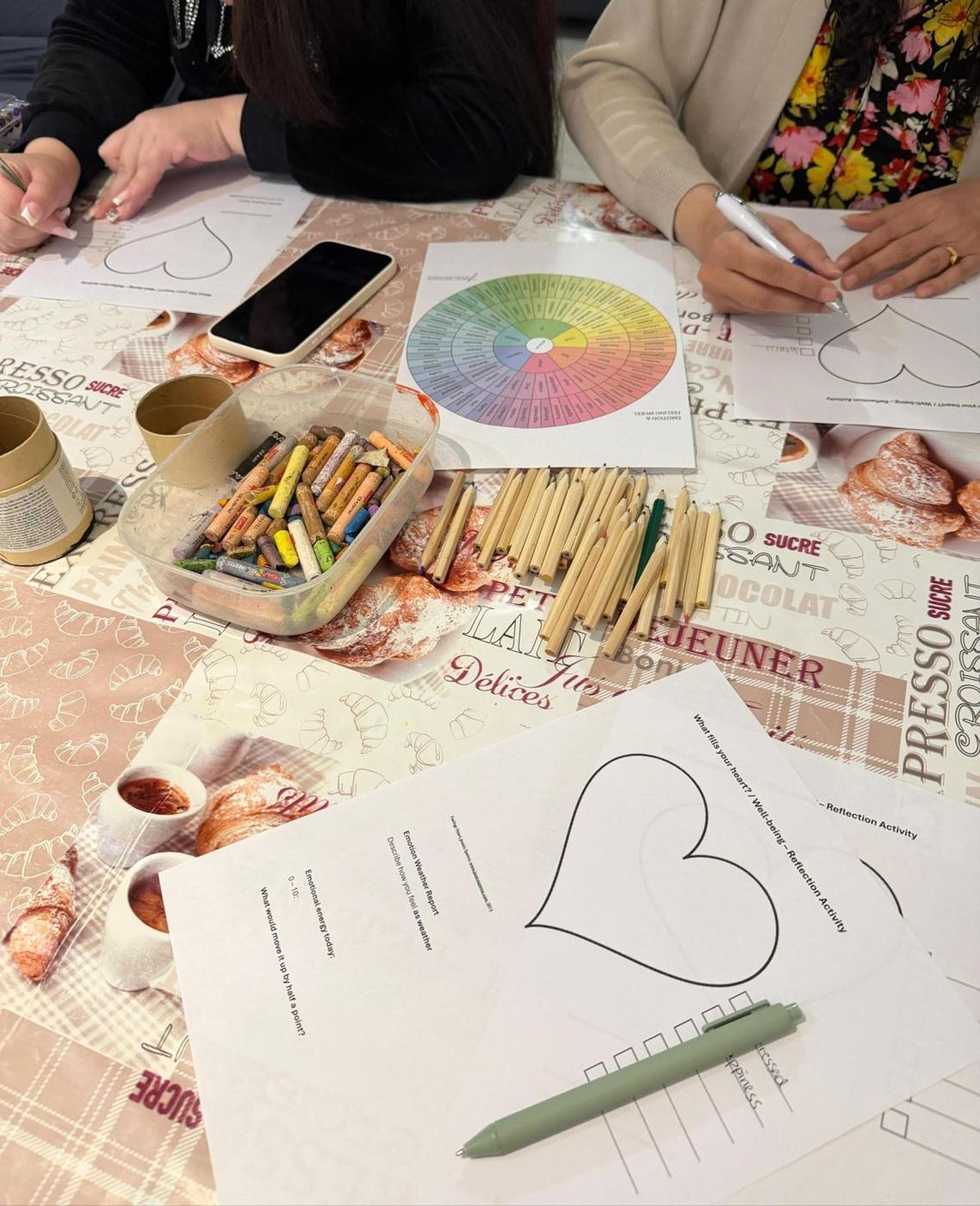
One of the tools recently used within a wellbeing group is the Feelings Wheel (Willcox, 1982), a simple but powerful emotional identification tool widely used in therapeutic and trauma informed practice.
What is the Feelings Wheel?
The Feelings Wheel is designed to help people identify and articulate their emotions more clearly. Often, people describe how they feel using broad terms such as “stressed”, “angry” or “upset.” While these descriptions are valid, they can sometimes mask the more specific emotions underneath.
The Feelings Wheel helps individuals move from these general feelings to more precise emotional language, enabling them to better understand what they are experiencing internally.
For many people who have experienced trauma, long term stress or mental health challenges, recognising and naming emotions can be difficult. This is sometimes referred to as difficulty with affect labelling or emotional identification.
Why emotional identification matters
Research in psychology shows that being able to accurately name emotions plays a significant role in emotional regulation and wellbeing.
When individuals can identify what they are feeling, it can help to:
- Reduce physiological stress responses
- Improve emotional regulation
- Support better behavioural control
- Reduce impulsive reactions
- Improve communication with others
Difficulties identifying emotions can often lead to frustration, interpersonal conflict or withdrawal from support services. By building emotional awareness, people are better equipped to express their needs and engage positively with support networks.
Supporting the people we support through wellbeing groups
Within Diverse Services wellbeing groups, the Feelings Wheel is used as part of a structured and supportive discussion. Service users are encouraged to explore how they are feeling, reflect on situations that may have triggered certain emotions, and develop language to express those experiences.
This approach helps service users to:
- Expand their emotional vocabulary
- Recognise internal emotional states
- Share their feelings more confidently
- Communicate needs more effectively
Importantly, these sessions take place in a safe and supportive group environment where service users can learn from one another and build trust.
A trauma informed approach to support
Tools such as the Feelings Wheel align closely with trauma-informed support, CBT informed practice, and recovery focused supported housing approaches. Emotional recognition is often a key foundation for stability, helping individuals feel more in control of their responses and better able to engage with the support available to them.
At Diverse Services, our teams continually explore new ways to enhance the support we provide. Whether through structured wellbeing groups, practical life skills sessions or therapeutic tools like the Feelings Wheel, our aim is always the same: to help service users build the confidence, insight and emotional resilience needed to move forward positively.
Going beyond day to day support
Moments like this highlight the dedication of our staff teams. By introducing thoughtful approaches and evidence informed tools, they continue to go above and beyond to create opportunities for service users to grow, reflect and strengthen their wellbeing.
Because meaningful support isn’t just about meeting immediate needs, it’s about helping people understand themselves, develop new skills, and feel empowered in their journey towards stability and independence.
If you want to learn more about the services at Diverse Services, visit our services page.
SEO Blog Title
Using the Feelings Wheel in Wellbeing Groups: Supporting Emotional Awareness in Supported Housing
Alternative option
How the Feelings Wheel Supports Emotional Awareness and Trauma-Informed Support in Wellbeing Groups
Meta Description
Learn how Diverse Services uses the Feelings Wheel in wellbeing groups to support emotional awareness, emotional regulation and trauma-informed support for the people we support in supported housing.
LinkedIn Post
At Diverse Services, supporting the people we support goes far beyond day to day practical support.
Our teams are always exploring new ways to help individuals better understand their emotions, build resilience and communicate their needs more effectively.
Recently, one of our wellbeing groups introduced the Feelings Wheel, a tool widely used in therapeutic and trauma informed practice to help people identify and label their emotions. By moving from general feelings such as “stressed” or “angry” to more specific emotional language, service users can develop greater self awareness and improve emotional regulation.
Research shows that accurately identifying emotions can reduce distress, improve behavioural control and support stronger engagement with support services, all important foundations for recovery and stability.
We’re incredibly proud of our teams who continually go above and beyond to introduce thoughtful, evidence informed approaches that make a real difference to the people we support.
Read more about how the Feelings Wheel is being used in our wellbeing groups 👇
[Insert blog link]
#SupportedHousing #TraumaInformedCare #Wellbeing #MentalHealthSupport #Recovery #SocialCare